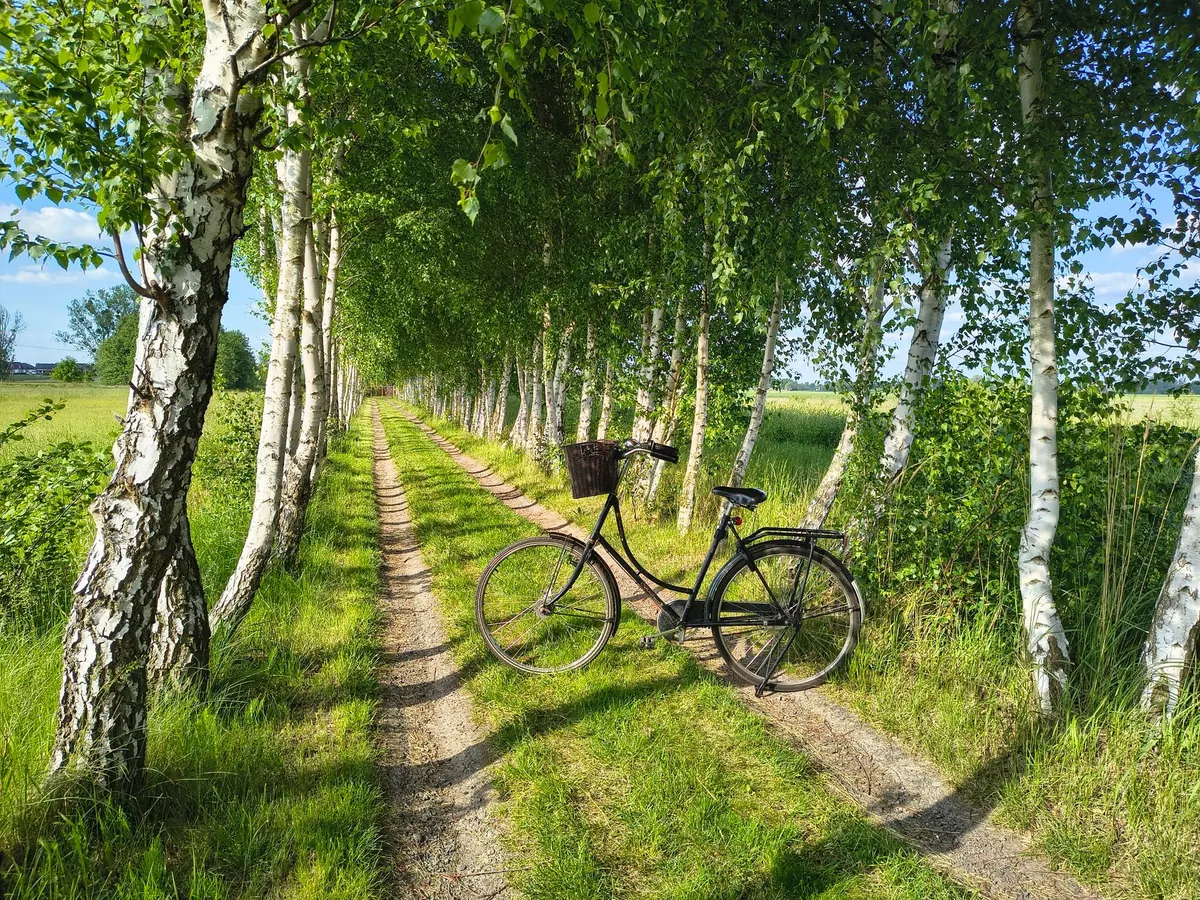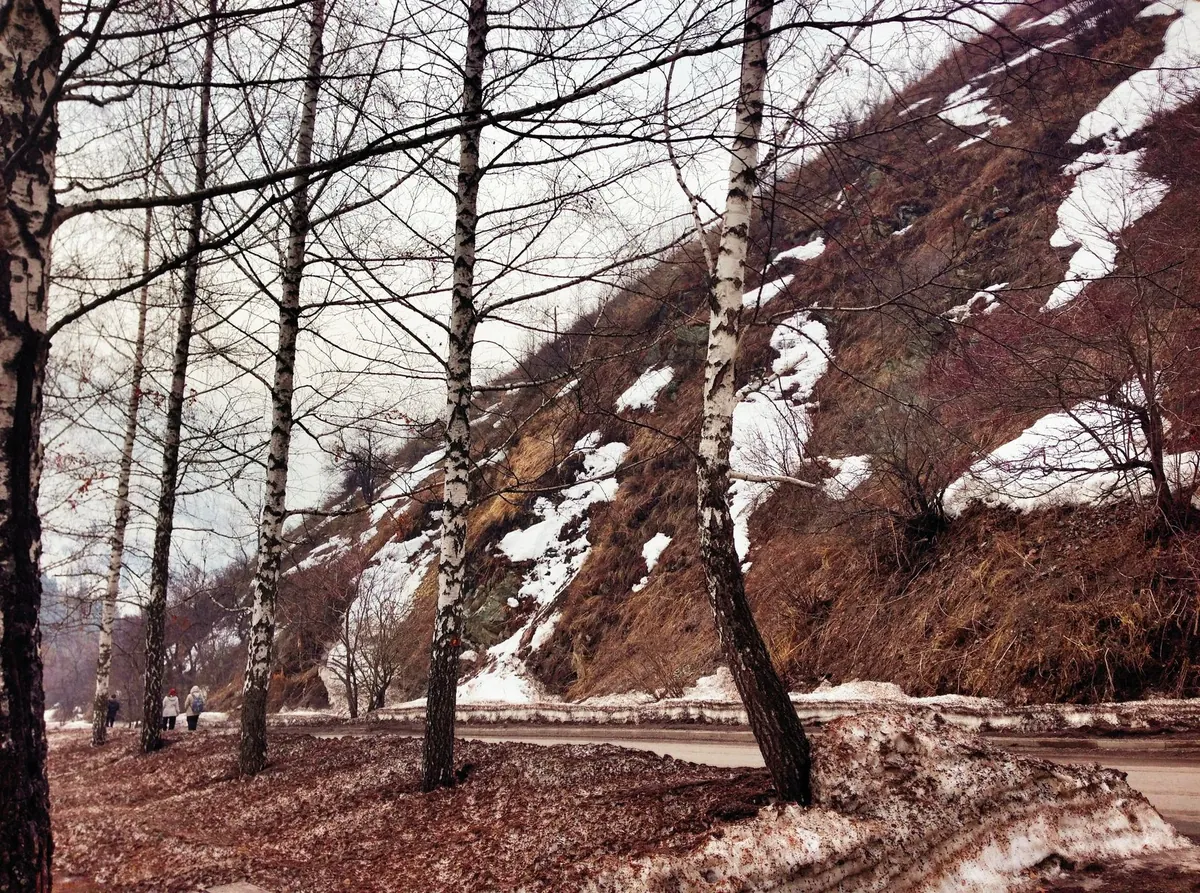
A row of birches along a road is one of the most generous things you can do with a verge. The stems catch low sun. The canopy is light enough that grass still grows beneath it, and the whole thing goes up quickly compared with an oak. Then the salt truck comes through, and by March you are looking at browned twigs on the windward side and a tree that seems to have stalled.
Birches are not, as a group, the toughest street trees. They have thin bark, shallow roots and a fondness for cool, moist, undisturbed soil that a road shoulder rarely offers. But the differences between species are wider than most planting lists admit. Choose well and a birch will hold a roadside for decades; choose badly and you will be replacing it in year six.
What a roadside really asks of a birch
Before comparing species, it helps to be honest about the site. A roadside is not a park with a bit of tarmac next to it. It is a hostile strip that changes through the year, and the pressures arrive in a particular order.
- Salt, twice over. Spray lands on buds and bark and burns the windward side; runoff soaks into the pit and loads the soil with sodium, which then interferes with the tree's uptake of potassium and magnesium.
- Compaction and a small root volume. Birch roots run shallow and wide, often within the top 30 cm, which is exactly the layer that gets squashed by parked cars and storage of grit.
- Drought and reflected heat. A south-facing verge against tarmac or a wall can be several degrees warmer than the open ground behind it, and the tree is competing with grass for the same water.
- Raised pH. Concrete rubble, grit and alkaline sub-base push soil pH upward. Birches generally want acid to neutral ground, and river birch in particular will yellow with lime-induced chlorosis.
Add mowers, strimmers and the occasional utility trench, and you have a fair picture of what the tree must survive.
The European defaults: silver and downy birch
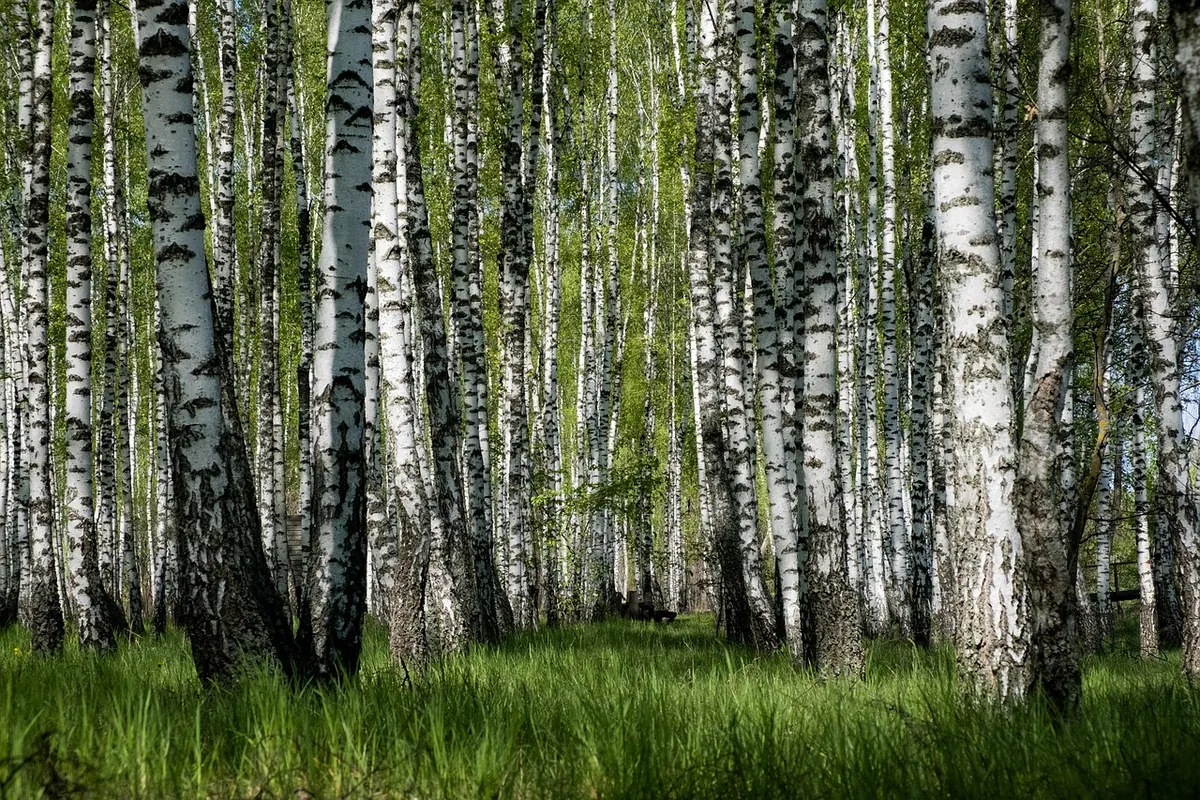
Betula pendula, silver birch, is the tree most people mean. It is fast, elegant, and reasonably tolerant of poor, dry, acidic soils, which is why it turns up on so many verges. Mature specimens are often 15–20 m tall and 8–10 m across, so it needs a generous verge or a wide planting bay. Its weaknesses on a roadside are the ones that follow from its roots: it resents compaction, it dislikes being starved of water in summer, and its salt tolerance is only moderate. In a sheltered inland village it will look superb; on a gritted arterial road it will show tip burn every spring.
Betula pubescens, downy birch, is the one to reach for when the ground is wet, heavy or peaty. It takes poorer, soggier soils than silver birch, stands exposure better, and is the better choice for northern and western roads, ditches, and verges that hold water in winter. The bark is less blindingly white and does not break into such dramatic black diamonds, and the habit is usually less pendulous. If your site is damp and windswept, that trade is worth making.
Two useful silver birch forms
Betula pendula 'Fastigiata' is narrow and upright, roughly 12–15 m tall but only 3–4 m wide, which suits tight footways. 'Laciniata' has finely cut leaves that give a softer, more textured canopy and slightly slower growth. Both inherit the species' moderate salt tolerance, so treat them as inland choices.
River birch: the best bet for salt and wet
Betula nigra comes from floodplains in eastern North America, and it shows. It tolerates wet ground, summer heat and periodic flooding far better than the white-barked species, and it is generally regarded as the most salt-tolerant birch in common cultivation, especially where salty runoff reaches the roots. The bark peels in cinnamon and salmon curls, which is a different pleasure from a white stem but arguably more interesting in winter.
The caveats are real. River birch is often broader than it is tall in maturity, roughly 15–20 m with a wide crown, so give it room. It wants moisture, and it will go chlorotic on thin, limy ground. 'Heritage' (usually sold as Betula nigra 'Cully') is the standard selection, with paler, more heavily peeling bark and strong vigour. 'Dura-Heat' was selected for hot summers and is worth asking for in southern and continental climates. Plant river birch where the road drains towards it rather than away.
White-barked birches: beautiful, and a little demanding
Betula utilis var. jacquemontii, in forms such as 'Doorenbos' and 'Grayswood Ghost', has the whitest bark of the group and is the tree most often specified for a prestige entrance or a gateway verge. It is also the least suited to a hard roadside: it wants decent soil, steady moisture and some shelter, and it dislikes both drought and salt. Expect 12–18 m at maturity.
Betula papyrifera, paper birch, is superb in cold continental climates and disappointing in heat and drought, where it is short-lived and borer-prone. Betula platyphylla var. japonica 'Whitespire' is the more sensible compromise: good white bark, a neat pyramidal habit to around 12–15 m, and better resistance to bronze birch borer than the American white-barked species. It still should not be planted where the gritter turns around.
Small spaces, tight verges, dwarf cultivars
Where the verge is a metre and a half wide, the answer is not a smaller version of the same tree but a different habit entirely. Betula pendula 'Youngii' is a weeping form, usually grafted, that makes a mound roughly 5–6 m tall and 4–6 m across; it needs a clear stem formed when young so that traffic and pedestrians pass beneath the weeping shoots. 'Trost's Dwarf' is more compact again, often 3–4 m, and slow. Both are worth the extra formative pruning. Check the graft union each year and rub out shoots rising from below it, or you will gradually lose the weeping habit to the rootstock.
Care that makes a difference on a roadside
Most birch failures on verges are establishment failures rather than species failures. A few habits pay for themselves.
- Water properly for the first three summers. A slow, deep soak every ten days to a fortnight in dry spells beats a daily sprinkle. Newly planted birches have small root systems and no reserves.
- Mulch, and keep the mower away. A 5–8 cm layer of bark or leafmould over the rooting area, kept clear of the trunk, protects shallow roots and holds moisture. A mulch ring or a low guard also stops strimmer damage, which is a common entry point for disease.
- Prune in late summer, not late winter. Birches bleed heavily from wounds made while sap is rising in early spring. If you must cut, do it from late July into September, and remove only dead, damaged or crossing branches.
- Don't pile ploughed snow on the pit. It concentrates salt exactly where the roots are. Push it past the tree instead.
- Watch for borers where they occur. Bronze birch borer attacks stressed trees, particularly white-barked species; keeping the tree vigorous is the main defence. Leaf miners and aphids look unsightly but rarely kill a roadside birch.
Choosing for your particular stretch of road
Start with the winter maintenance, not the catalogue. If the road is gritted hard and the verge is wet or receives runoff, plant river birch and accept the broader crown. If the site is exposed, damp and northern, downy birch will outlast anything fancier. For a dry, acidic, inland verge with modest salt, silver birch remains a sound and inexpensive choice. Save jacquemontii for the places you can water and shelter, and use 'Youngii' or a fastigiate form where space, not soil, is the limiting factor.
Buy smaller than you think you need. Bare-root or small containerised birches establish faster than large specimens and catch up within a few seasons, often overtaking them. Plant in odd-numbered groups of three or five rather than a lonely single stem, and check where the prevailing wind and the gritter come from, because that side of the tree will take the damage first. Get those things right and the birches will do the rest, which is more or less what they are good at.
Photo: Alexey Demidov / Pexels