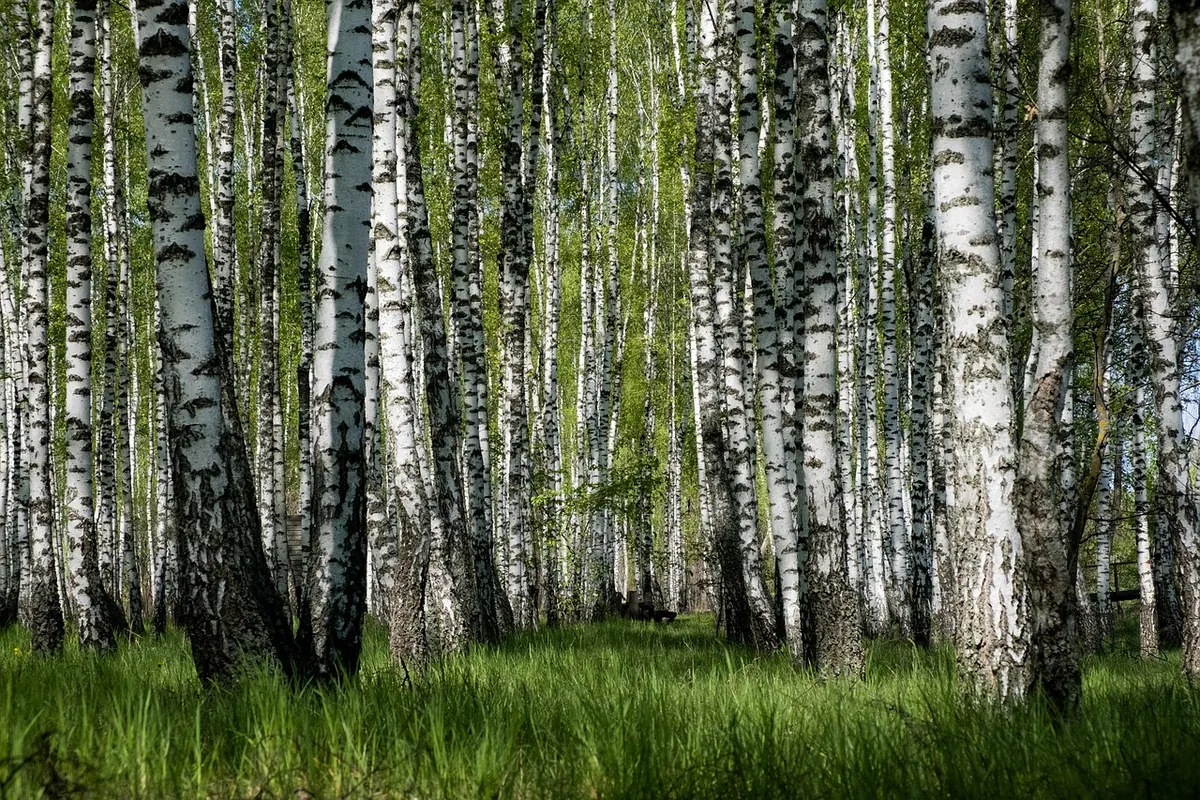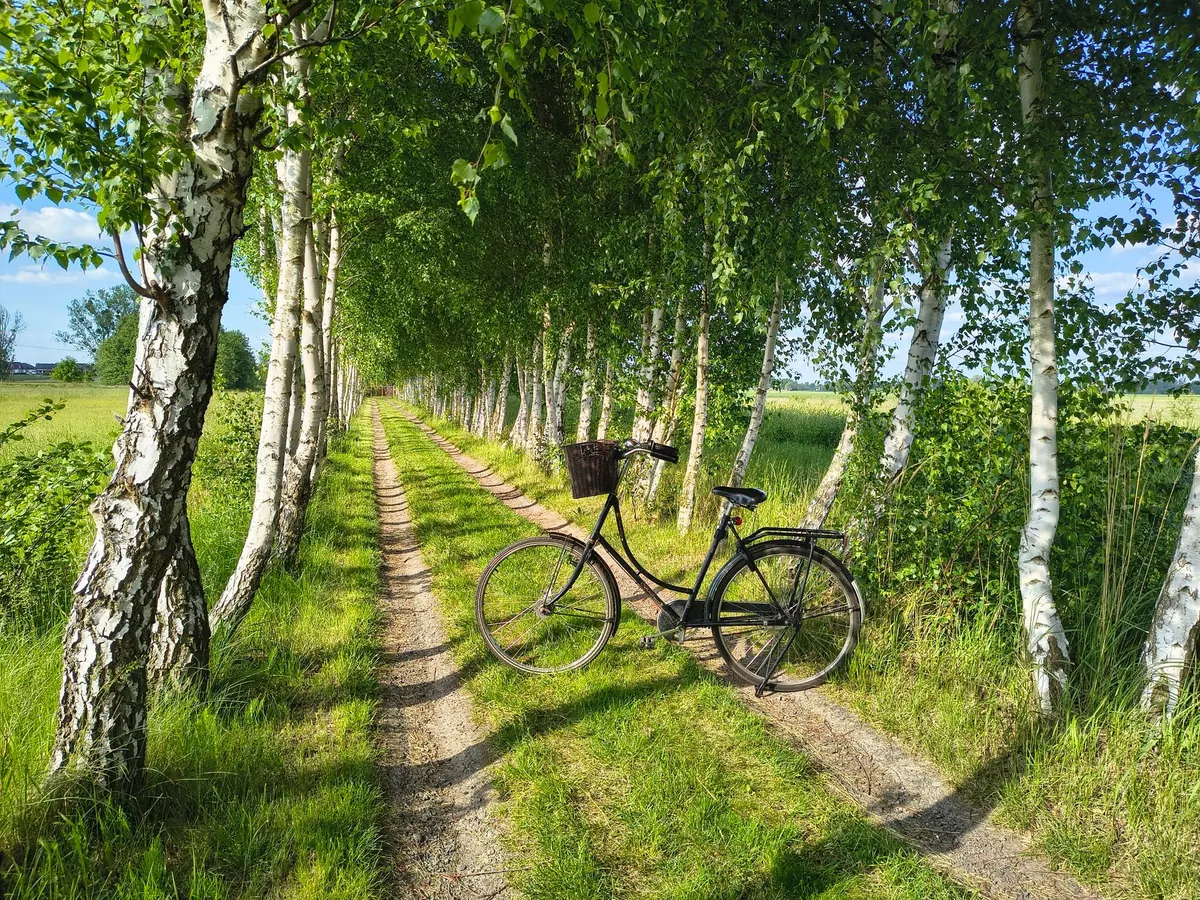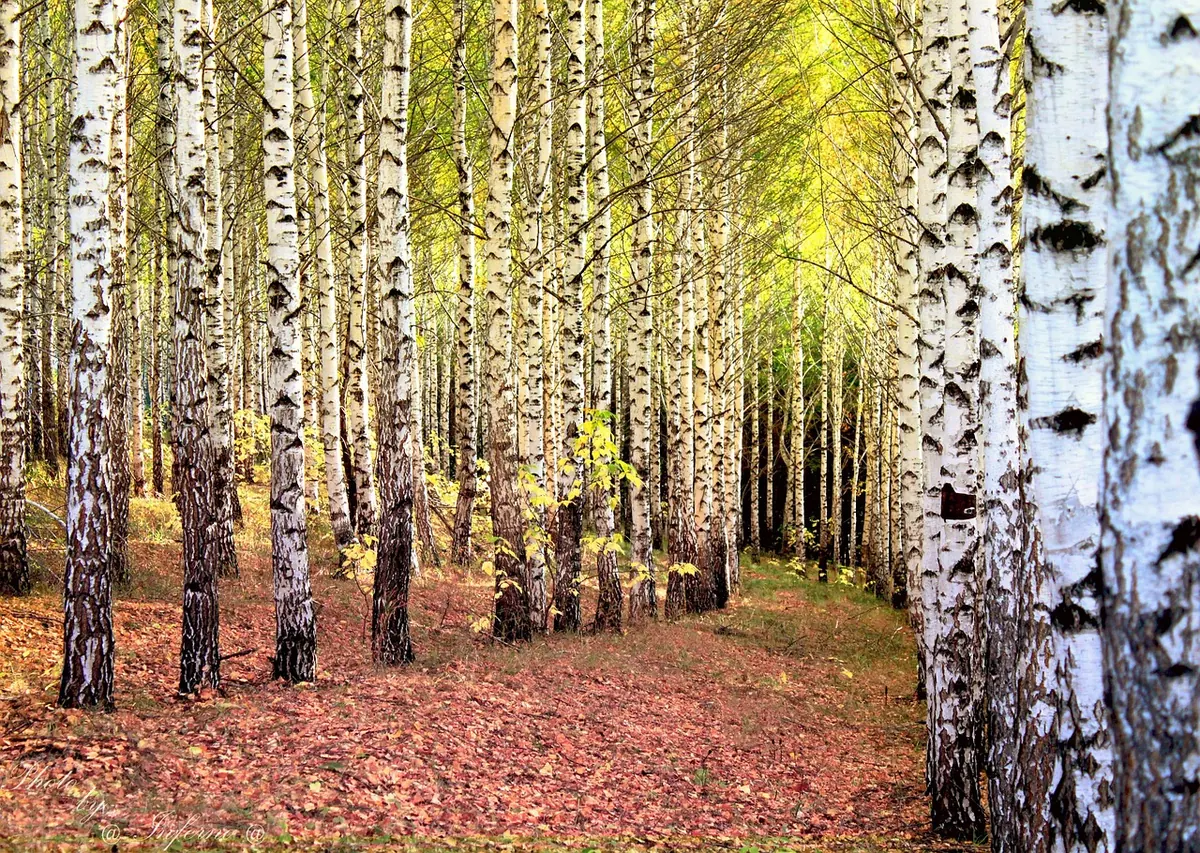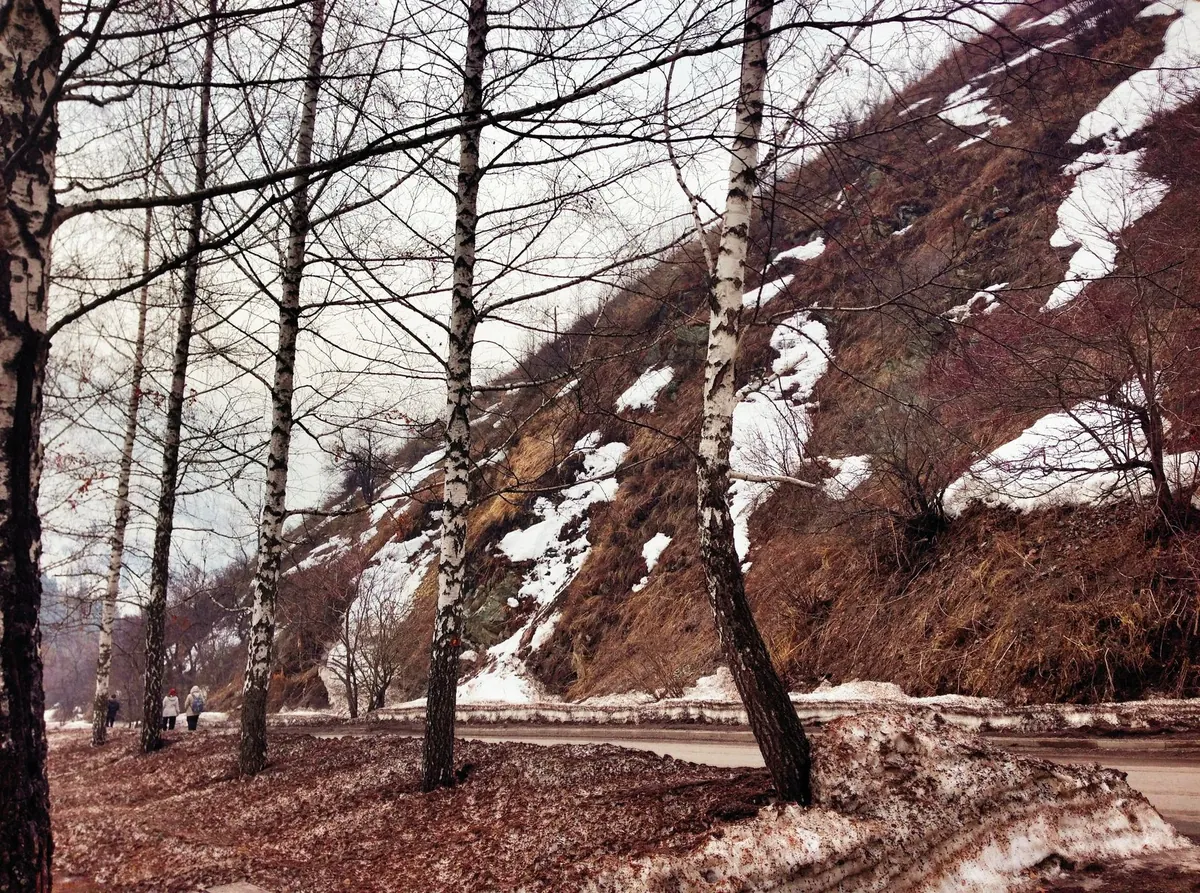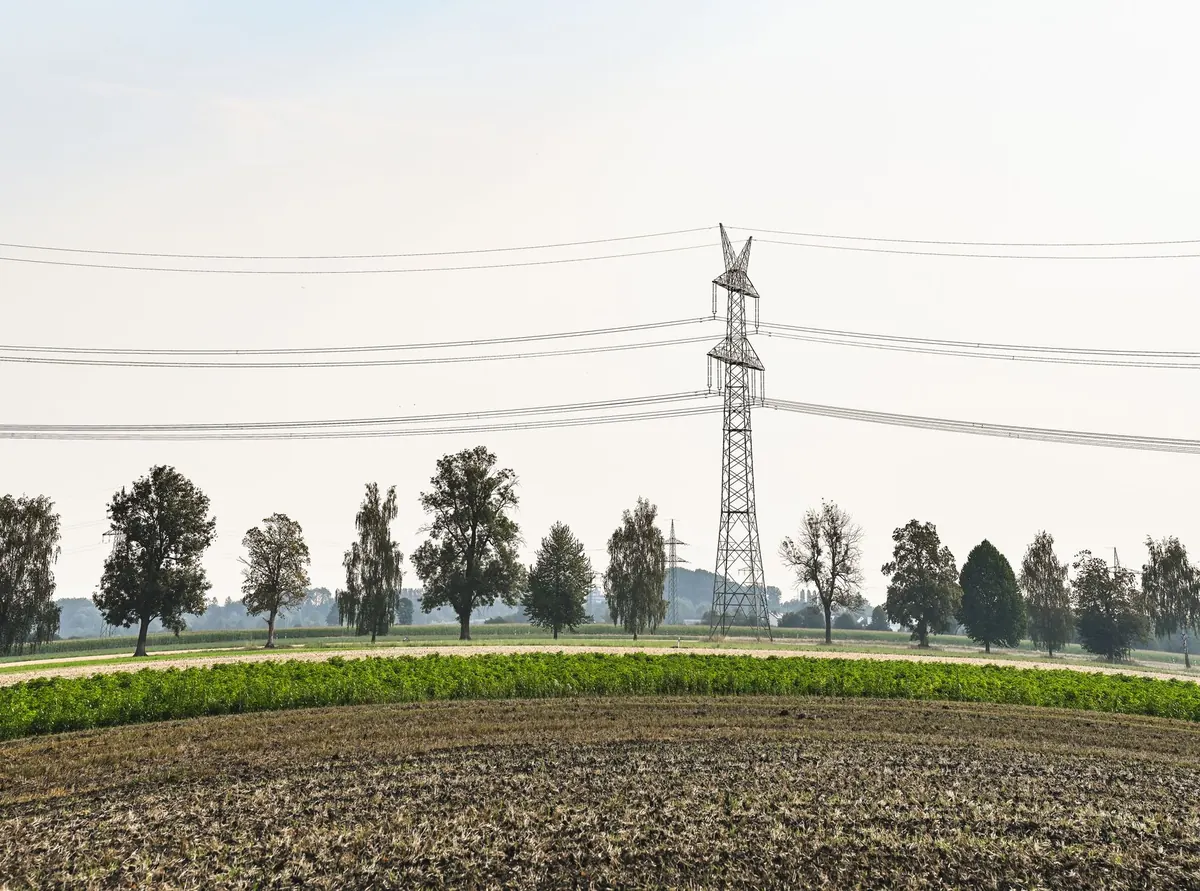
A birch is one of the few trees that can make a suburban front garden look like it belongs to a much bigger landscape. The bark does the work: white, peeling, bright on a grey afternoon. Then there is the light under it, dappled and airy, and the way the whole crown moves in a breeze. It is easy to see why people plant one and then, five years later, start eyeing the overhead cable that now runs through the middle of it.
The trouble is that the qualities we like in birch — fast growth, a wide thirsty root system, an elegant upright trunk — are the same qualities that make it an awkward neighbour for poles, wires and buried pipes. None of that means you cannot have one. It means the decision has to be made with a tape measure rather than on impulse at the nursery.
Why Birch Roots and Utility Lines Disagree
Birches are shallow-rooted. Their roots spread wide and stay near the surface, which is why the tree competes so well in thin, dry soils and also why it notices every bit of moisture in the ground. Near a house, that moisture is often inside a pipe.
A healthy birch root will not usually break a sound clay drain or a modern plastic duct. What it will do is find a joint that has already started to weep, or a hairline crack, and then expand into it. Once inside a sewer lateral, roots multiply fast. The pipe blocks, the ground over it stays unnaturally green in August, and the repair bill lands on the person who owns the tree.
Above ground the conflict is simpler. Birches are tall, and some grow surprisingly fast: a young silver birch in decent soil can add well over half a metre a year. Branches move in wind, load with ice, and drop. A wire that looks comfortably clear from the kitchen window in June may be a different proposition in a storm in February.
Plant for the tree you will have in twenty years, not the one you are carrying home in the boot.
Walk the Site Before You Buy the Tree
Stand where you plan to dig and look up. Not vaguely — actually look, and take a photo of the sky above the spot, because phone cameras make overhead lines obvious in a way the naked eye skips. Note the height of the wires. Service drops to a house are often lower than the main street cables and are the ones people forget, along with telecom bundles and streetlight feeds.
Then look down. Find the inspection covers, stopcocks, meter boxes and manhole lids. Trace, as far as you can, the line from the road to the house. If there is a septic tank or a soakaway, mark it. If the garden has a drainage field, assume roots will reach it and plant well to one side.
Before any spade goes in, ask the utility companies for their maps of buried services, and use the local service-locating arrangement if one exists where you live. Treat those maps as indicative rather than exact — they are drawn from records, not from the ground. Check your property documents too: many plots carry an easement, a strip where the utility has the right to dig. Nothing woody should be planted inside that strip, whatever the distance tables say.
Working Out a Safe Planting Distance
Two numbers matter, and they are different: how far the trunk sits from the line, and how much clear air the mature crown will leave.
Overhead lines
The classic rule of thumb is that the horizontal distance from trunk to conductor should be at least the tree's eventual height. It is a conservative rule, and it exists because a falling tree should not be able to reach a live line. For a silver birch that may top out at 18 metres, that means 18 metres — more than most gardens have.
Where that is impossible, work from the crown instead. Take the mature spread, halve it to get the canopy radius, and add a generous clearance of a few metres between the outer edge of that crown and the wire, allowing for sag, sway and ice load. If the answer puts the tree in the neighbour's garden, the site is wrong.
Underground services
Roots travel further than branches. Assume a birch will forage at least one and a half times its canopy radius, often more in dry ground. Practical minimums used by many landscapers look roughly like this:
- At least 3 metres from buried electric and telecom ducts.
- At least 3 to 5 metres from water mains and sewers, and further where pipes are old, clay or already repaired.
- Never directly over a sewer lateral, a soakaway, a septic tank or a drainage field.
- Well clear of foundations, driveways and retaining walls, which drying soil can shift.
These are rules of thumb, not law. Local regulations and the utility's own guidance take priority, and where there is doubt the answer is always to plant further away. A tree moved at the planning stage costs nothing.
Compact Birch Cultivars That Earn Their Space
Honesty first: birch is not a small genus. Most compact cultivars are compact relative to twenty metres, not relative to three. Choose with that in mind.
- Betula pendula 'Youngii' — a weeping birch, usually grafted, with a domed crown that typically settles somewhere between four and eight metres. It needs a clear skirt of ground for the branches to trail over, and it still wants five or six metres of separation from overhead cables.
- Betula nana — dwarf birch. A shrubby plant, roughly knee-high to a metre, slow and fussy about wet, acid ground. The only genuinely tiny option, though it will not give you the white trunk people picture.
- Betula pendula 'Fastigiata' — a narrow, columnar form with a crown only a few metres wide but a considerable height. Useful where the constraint is width, such as a corridor of buried services; no help at all under a wire.
- Betula utilis var. jacquemontii — smaller than a silver birch and spectacularly white, but still a medium tree in the ten to fifteen metre range.
A container-grown birch stays smaller for a while, but it also needs watering for life, and roots will still leave the pot through the drainage holes. Read the eventual height on the label, then add a margin for a good site.
Planting Techniques That Reduce Risk
Plant young. A whip or a small feathered tree establishes faster than a large specimen, costs less, and does less immediate disturbance to whatever is underground. The mature size does not change, but the first decade is easier.
A vertical root barrier — a rigid panel set 60 to 90 centimetres deep along the side facing a pipe — can deflect roots and is worth installing where the risk is real. Treat it as risk reduction, not a licence to plant closer. Birches are adaptable, and roots will find their way around or under a panel if the moisture on the other side is more attractive.
Water the tree properly for its first three years. Roots follow water, and if the only reliable moisture in the garden is a leaking pipe, that is where they will end up. A well-irrigated birch in a mulched bed has less reason to go exploring. Keep the mulch clear of the trunk, and remove long-term stakes once the tree stands on its own.
Living With a Birch Near Lines: Care and Pruning
Birches bleed heavily if cut in late winter or early spring, and they heal such wounds poorly. Prune in late summer or early autumn if you must, keep cuts small, and never top the tree — the shape is the reason you planted it.
Utility pruning is done to a clearance standard, not to the tree's benefit, and birch rarely recovers its elegance afterwards. If you know pruning is likely, the better decision is a different tree or a different spot.
Never work within the safety clearance of a live conductor yourself. That is a job for the utility or a qualified line-clearance arborist, without exception. Keep dated photographs of what you planted and when, and if a utility asks to prune, ask what standard will be used and whether an arborist will be on site.
A Practical Checklist Before You Dig
- Request service maps from the utilities and use the local locating service before any excavation.
- Photograph the sky above the planting spot and the ground around it; mark every cover, pole and box.
- Read the mature height and spread on the plant label, then add a margin for good soil.
- Mark the easement lines with canes and rule out planting anywhere inside them.
- Choose the smallest cultivar that still gives you the effect you want.
- Dig carefully by hand near the chosen spot and stop if you meet a duct, cable or pipe you did not expect.
- Install a root barrier on the vulnerable side, plant young, mulch, and water for three summers.
- Write down what went where. Future you, and whoever buys the house, will be grateful.
Get the cultivar and the spacing right and a birch will sit beside a road or a service trench for decades without drama. Get them wrong and you will spend those decades negotiating with your tree. The tape measure takes ten minutes.
Photo: Alexas Fotos / Pexels