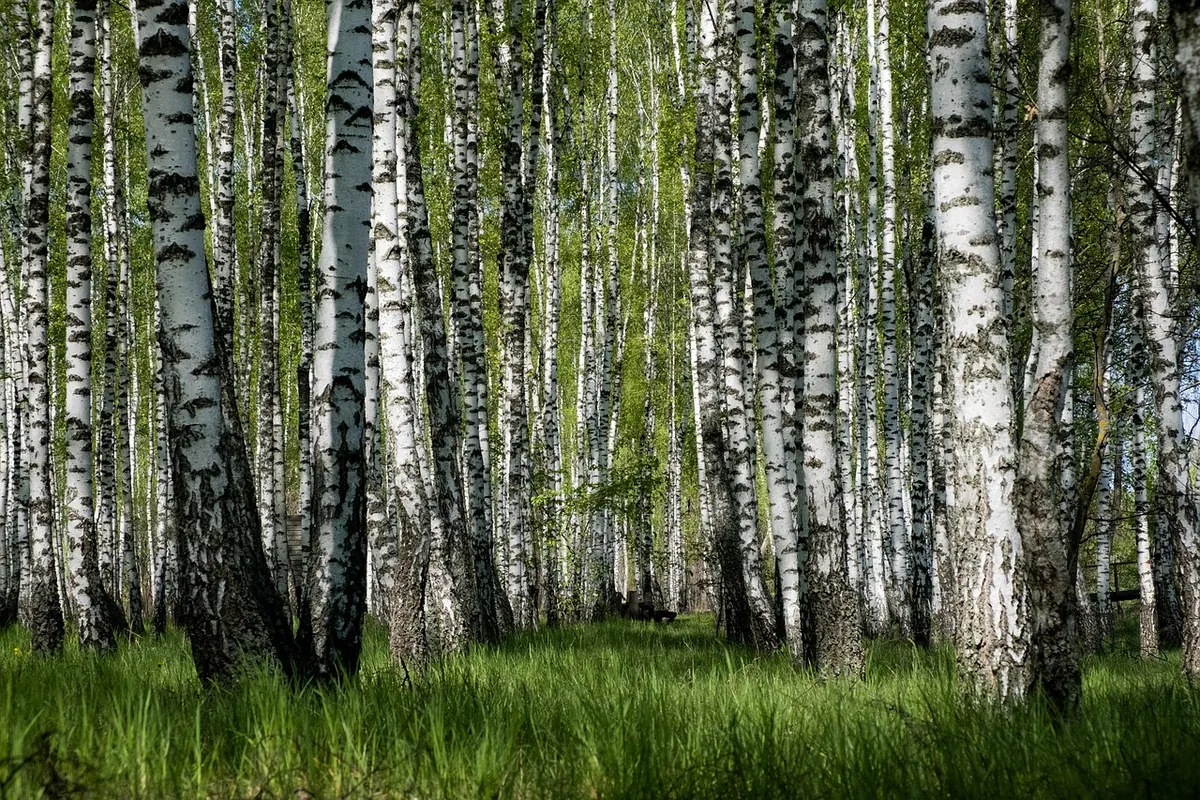
A birch stand on a road verge looks like the least managed thing in the parish: thin white trunks, a haze of small leaves, grass running underneath. It is also one of the busiest habitats along the whole carriageway. Between the tarmac and the field boundary, a group of birches pulls water out of compacted ground, breaks up low sun, feeds a surprising range of insects and holds the linear mess together. Knowing what these stands actually do makes it easier to protect the good ones and to plant the next generation with a bit more thought.
Why Birch Fits an Awkward Strip of Ground
Two species do most of the work. Silver birch, Betula pendula, has drooping branch tips and dark, diamond-patterned bark at the base; downy birch, Betula pubescens, prefers wetter, heavier ground and carries softer, slightly hairy shoots. Both are pioneers. They arrive early on disturbed soil — old spoil heaps, widened junctions, embankment edges, the rubble left after a junction upgrade — and they grow quickly where an oak would sit and sulk for a decade.
That is the situation on most verges. The ground is compacted, stony, sometimes salted from winter gritting and often thin over hardcore. Birch copes, seeds itself freely, and begins shading and sheltering within a few years. The trade-off is lifespan: a birch on a hard roadside can be handsome at thirty and hollow at fifty. The best stands are uneven-aged, with young saplings pushing through behind the veterans rather than one row planted on the same afternoon.
It is not the right tree everywhere. Shallow roots can lift kerbs and buckle footway edges, spring catkins and summer honeydew make a mess of parked cars, and downy birch on wet ground will windthrow after a drought year. Plant it as a group set back from the carriageway, not as a lonely specimen squeezed between a lamp column and a driveway.
Shade That Behaves Differently
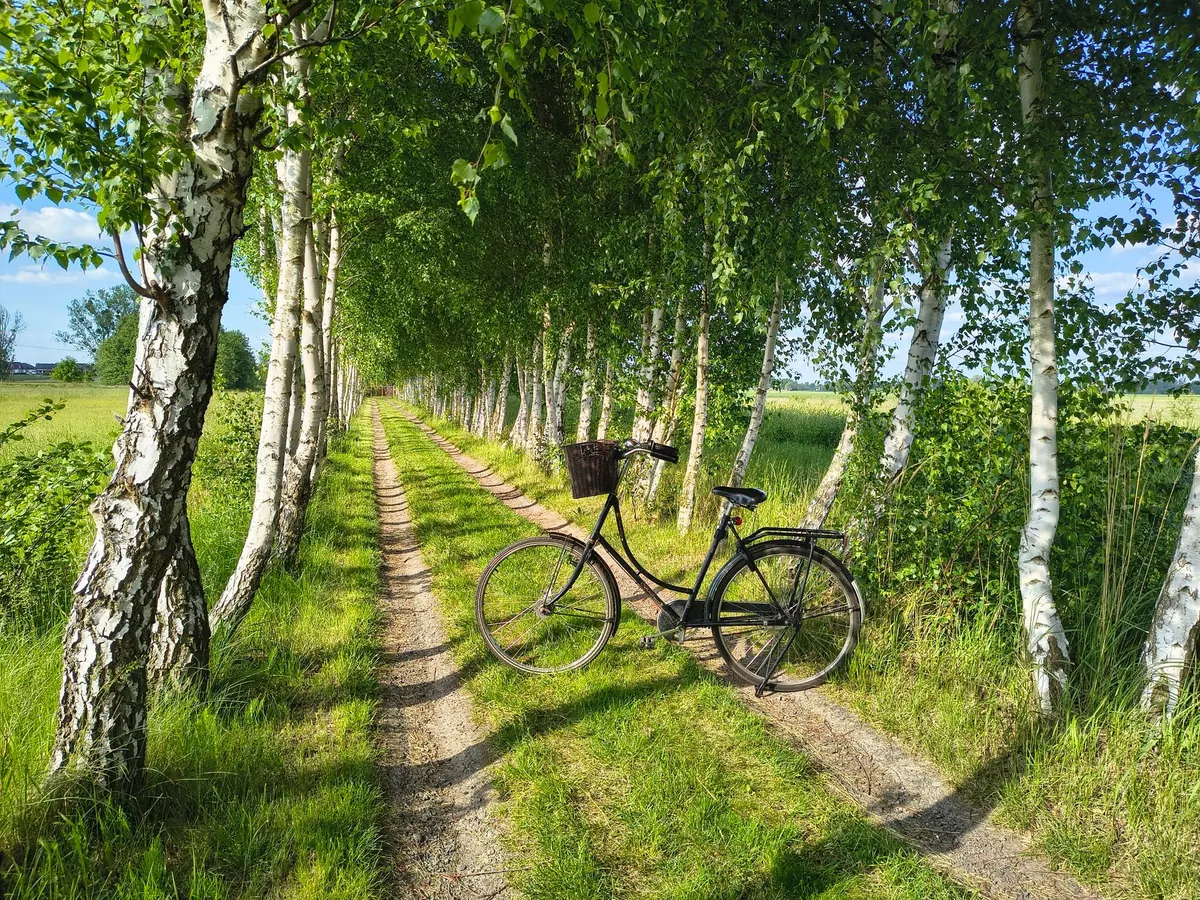
Birch casts a light, mobile shade. The leaves are small, the canopy is porous, and a good deal of light reaches the ground and moves across it through the day. Walk under a dense lime or sycamore in July and you feel the temperature drop; walk under a birch group and you feel the glare come off the road, not a chill.
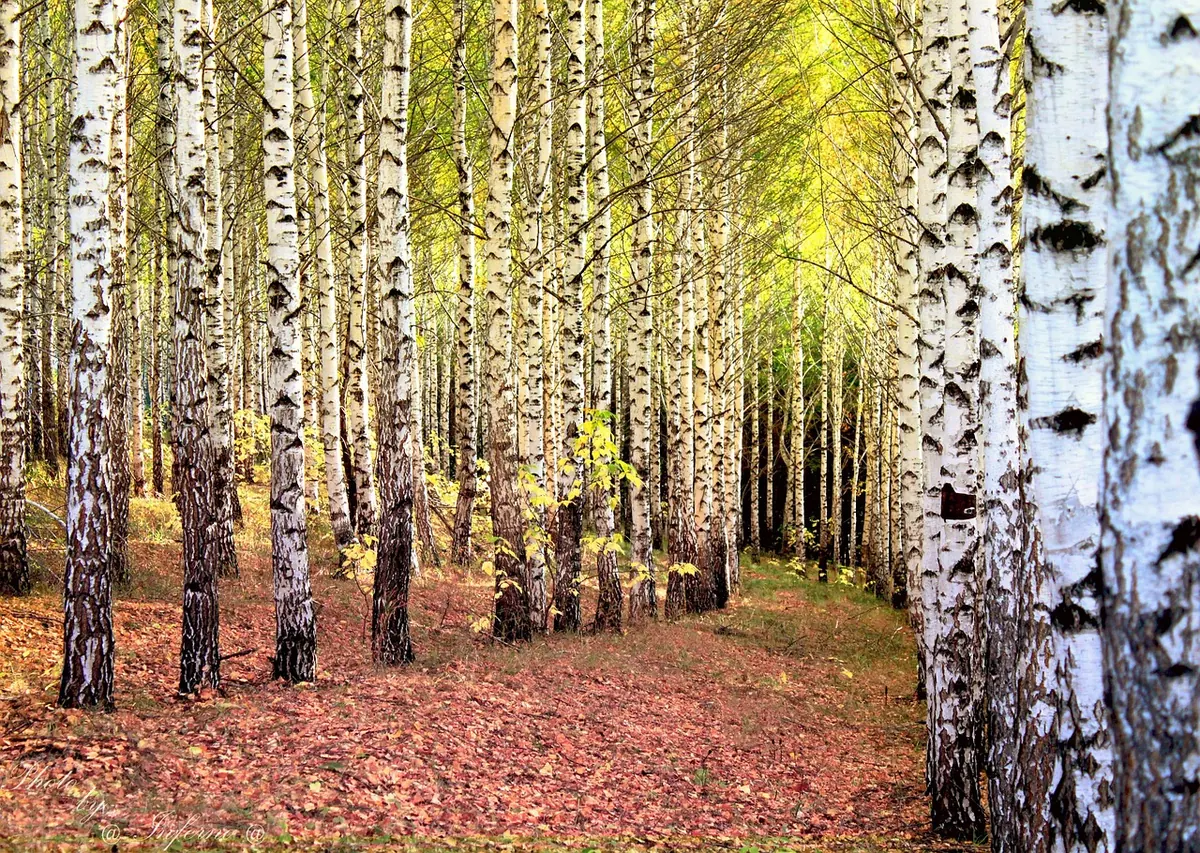
A birch canopy does not so much block the light as break it up — which is why the grass beneath it stays green and the soil stays workable.
That matters practically. Verges under birch keep a grass and herb layer instead of going bald, and the leaf litter underneath is thin enough to rot down rather than smother. A group shades better than a single tree because the trees shelter each other: wind speeds drop inside the stand, transpiration falls, and the canopy stays fuller on the exposed side. For anyone walking a footway on a hot afternoon, or waiting at a bus stop, that dappled shelter is worth more than a solid wall of shade further back from the road.
One maintenance note: leaf litter and catkins are slippery when wet on tarmac and will clog gullies. Sweep the channel in autumn rather than removing the trees.
Insects: The Quiet Engine of a Birch Stand
Birch is generous to invertebrates. Its foliage feeds a broad suite of caterpillars and leaf-mining moths, its sap attracts flies and wasps, and its bark and dead wood support beetles, lichens and fungi that rarely turn up on tidy street trees.
In the leaves and shoots
Aphids build up on young birch growth in early summer. They are a nuisance if the trees overhang a bonnet, but they are also the base of a food chain: ladybirds, hoverfly larvae, ants and small wasps all work the same colonies, and the honeydew that falls on lower leaves and parked cars feeds yet more insects. Leave the aphids alone and the predators usually arrive within a fortnight.
In the bark and the deadwood
Birch bark is full of protective compounds, but it weathers into cracks and plates that hold moisture, algae and lichen — a small habitat in its own right. Standing dead birch, where it is safely away from the carriageway and footways, is one of the more valuable things a verge can contain: soft, decaying wood for beetles and fungi, and holes that later become nesting space. Where a dead tree has to come down, stack a few metres of trunk in the hedge line rather than chipping everything.
Birds and the Edges Birch Creates
The real bird interest in a roadside birch group is at its edges. Siskins and redpolls work the catkins and seed heads in late winter; tits and finches pick over the twigs; woodpeckers and nuthatches take advantage of dead limbs.
Birch also makes structure that other trees on a verge rarely offer. Low, dense regrowth from a cut stump gives cover within a metre of the ground, which is where most small birds actually nest and roost. The interface between that thicket and the open, mown strip beside it is the busiest zone of the whole stand — a place to feed quickly and retreat. Flailing every scrap of scrub to the ground each year removes exactly that.
Practical rule: keep one or two birch clumps per stretch growing low and bushy, and let the rest run up into standards. A varied profile along the road beats a uniform row every time.
Pollinator Habitat in a Linear Landscape
It is worth being honest here. Birch is wind-pollinated. Its catkins make pollen for the wind, not nectar for insects, and a birch wood on its own is not a bee meadow. The value of a birch stand for pollinators is indirect but real.
First, shelter. Bumblebees and hoverflies forage badly in strong wind; a belt of birch along an exposed verge cuts that wind and creates a warm, still band of ground on its leeward side. Second, undisturbed ground: the strip beneath a birch group is often left unsprayed and lightly mown, which is where bumblebees look for nest sites and where leafcutter and mining bees find bare soil. Third, honeydew and aphids provide a late-summer sugar source when flowers are thin.
The pollinator value of a birch stand is really decided by what grows underneath it. Plant and manage the ground layer and the stand starts to earn its keep:
- Early flowers for queen bumblebees: red dead-nettle, white dead-nettle, dandelion left in the grass, wild strawberry at the edges.
- Mid-summer umbellifers: cow parsley, rough chervil, hogweed in taller rough grass, all drawing hoverflies and small wasps.
- Late flowers: knapweed, birds-foot trefoil, scabious on drier banks — and ivy on the boundary hedge when everything else is over.
- Honeysuckle or dog rose scrambling at the stand edge, for night-flying moths and the birds that follow them.
Avoid a close-mown lawn right up to the trunks. A one-metre rough margin along the base of the group, cut once in late summer, costs nothing and does more for insects than any amount of new planting.
Managing a Roadside Birch Group
Most of the ecological value in these stands survives on a light touch and a little forward planning.
- Keep sightlines clear at junctions and bends; birch that has been lifted to a clear stem of two to three metres still does its job without blocking a driver's view.
- Thin rather than clear. Take out a few stems every few years so the rest develop decent crowns, and leave the cut wood in a low stack at the back of the verge.
- Encourage succession. Let self-sown seedlings through in gaps; a stand with three age classes will keep functioning as the old trees hollow out.
- Watch the wet ground. Downy birch on soft, peaty verges is prone to going over in a gale; keep it away from the running lane.
- Leave the leaf litter in place under the trees and sweep only where it reaches tarmac, gullies or a footway.
- Coppice a clump now and then for bushy regrowth — good for nesting birds, and it keeps a shorter canopy near houses and signs.
What to Do This Planting Season
If you have any say over a verge, the useful moves are small ones. Plant birch in groups of five to nine rather than as singles, set them back from the kerb, and lift the crowns as they grow. Sow or plug a rough flowering margin along the sunny edge and agree a single late cut with whoever holds the mower. Leave dead wood where it is safe to do so, and let a couple of stems stay scrubby for the birds.
None of that costs much, and none of it needs a plan drawn up by a consultant. A birch group on a road verge is already working away at shade, shelter and food for the species that live in the thin strip beside the traffic. The least we can do is give it room to keep going.
Photo: Mitrey / Pixabay