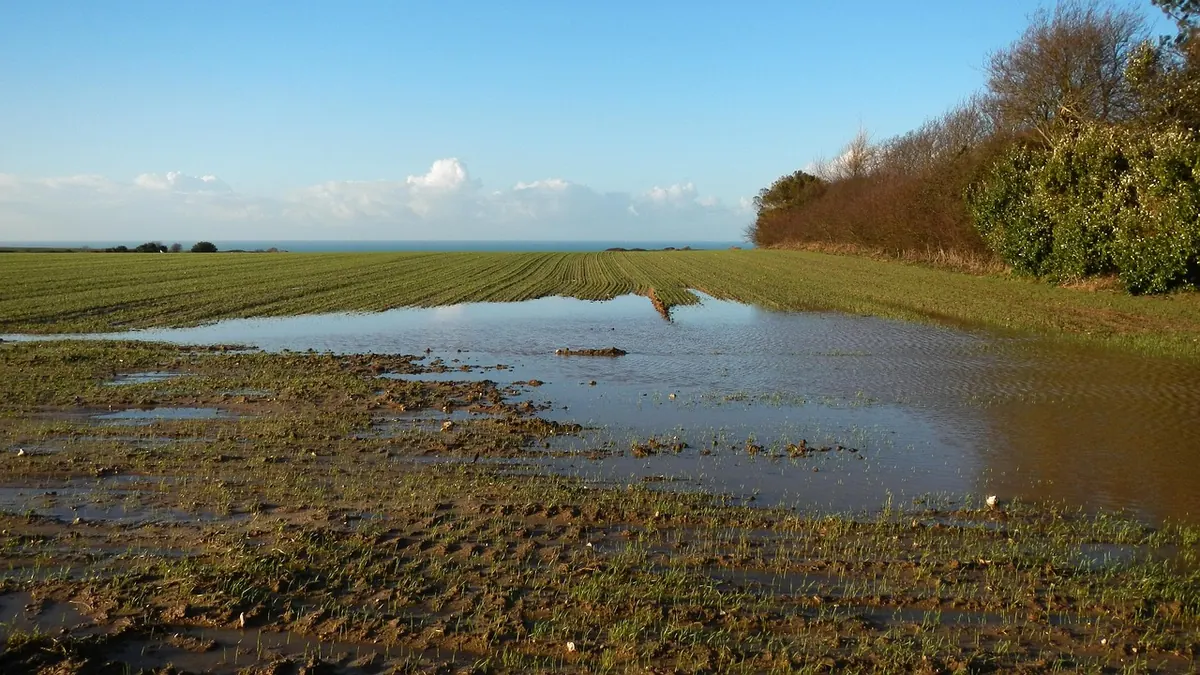
A roadside verge can look like an easy place to plant a tree: open ground, a bit of grass, nobody's garden to disturb. Then you dig a hole in February and it fills with water overnight. Come August, the same strip is dry enough to crack and hard enough to bounce a spade off. That double life — wet in winter, brick-like in summer — is what makes roadside sites tricky, and it's the reason a tree that thrives in a park border may sulk for years by a kerb.
None of this means you need specialist knowledge. It means choosing a species that expects a hard life, and giving it a start that suits the ground rather than fighting it.
Read the ground before you read the tree labels
Compaction and waterlogging usually arrive together. When soil is squeezed by traffic, the air spaces between particles collapse. Water can't drain through, roots can't breathe, and the few roots that do form sit near the surface, vulnerable to drought and mower blades. Heavy clay makes it worse, but a sandy verge compacted by years of parked vans can behave much like clay.
Two rough tests will tell you a lot. Dig a hole about 30 cm deep and wide, fill it with water, and check it the next day. If the water has dropped noticeably, drainage is workable. If it's still full, you're planting into a basin. Second, take a handful of soil, wet it, and squeeze. If it holds a shiny ribbon that doesn't break, there's a lot of clay in it. If it crumbles, it's lighter.
Also look up and around: overhead cables, sight lines at junctions, salt from winter gritting, and the strip of paving the roots will eventually reach. All of those narrow the list as much as the soil does.
The beginner's shortlist
Downy birch (Betula pubescens)
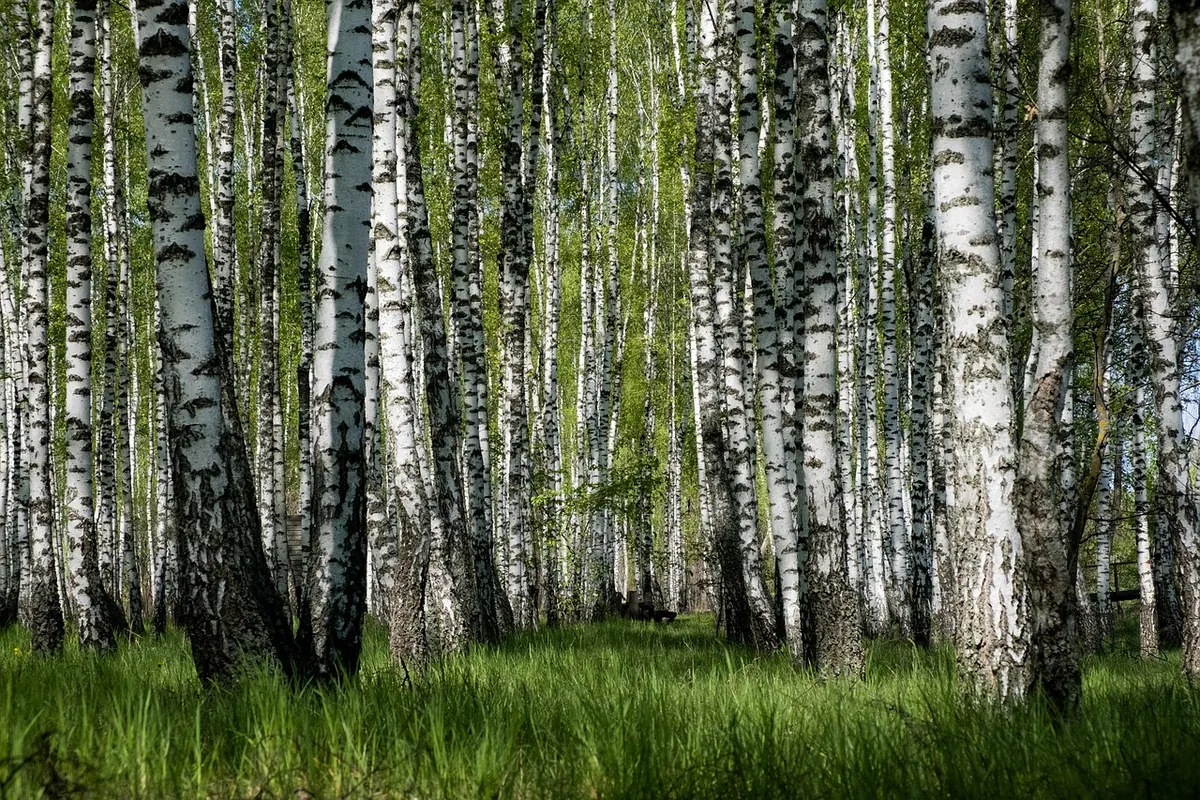
The birch to reach for when the ground is wet, heavy or peaty. Downy birch copes with far more moisture than silver birch, and its leaves and young shoots are softly hairy, which is the easiest way to tell the two apart. It's a pioneer tree, so it wants light and won't thank you for deep shade. Expect a graceful, fairly upright tree rather than a stately one.
Silver birch (Betula pendula)
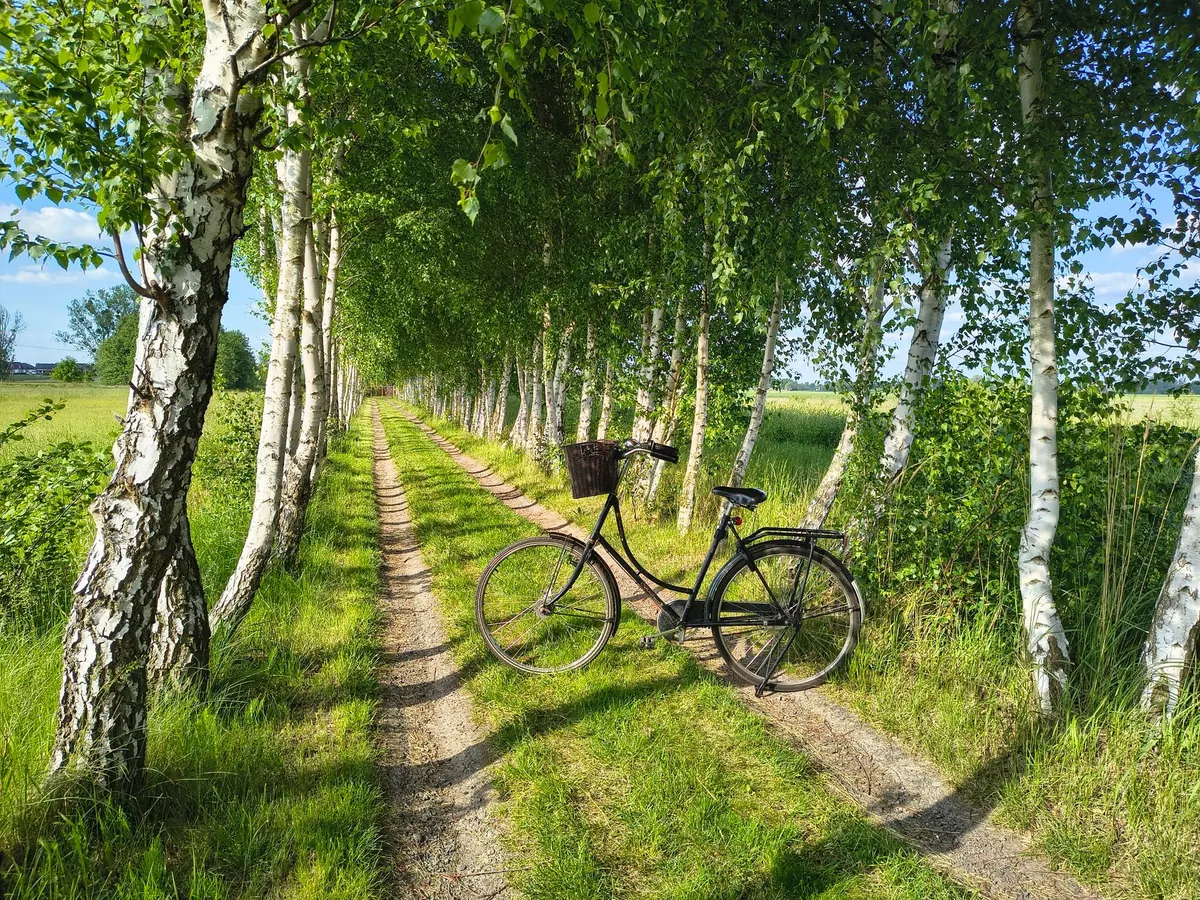
Better on lighter, drier, free-draining ground, and more tolerant of dry spells once established. It is also the birch most often planted along streets, which is a mixed blessing: on genuinely compacted clay it often looks tired by midsummer, with a thin crown and early leaf drop. The weeping habit and white bark are lovely; the site still has to suit it.
Alder (Alnus glutinosa)
The most reliable choice for ground that stays damp. Alder fixes its own nitrogen, grows quickly and handles winter water without complaint. It's a big tree in the right place, so give it room, and keep it away from drains and foundations — alder roots go looking for water and can be persistent.
Hornbeam (Carpinus betulus)
For compacted clay that drains, even slowly, hornbeam is one of the most forgiving medium trees you can plant. It copes with poor air in the soil better than most, takes some shade, and clips well if you ever want a hedge instead of a specimen. What it won't take is standing water through winter.
Willow, chosen carefully
Willows will grow in almost anything wet, and that's the problem: they grow fast, drink hard, and their roots travel. Goat willow (Salix caprea) stays smaller, and coppicing or pollarding keeps any willow in bounds. Plant one only where there's space, and never right over a pipe or a soakaway.
Field maple and rowan
Smaller, tidier options. Field maple (Acer campestre) tolerates clay, compaction and drought, which makes it a safe pick for a tight verge. Rowan (Sorbus aucuparia) suits poor, stony ground and gives berries and autumn colour, but it dislikes waterlogging and won't live forever.
How the shortlist compares
- Wettest ground, standing water in winter: alder first, downy birch second, willow if there's space and you can manage the size.
- Compacted clay that drains slowly: hornbeam, field maple, downy birch.
- Lighter or gravelly verge that dries out: silver birch, field maple, rowan.
- Smallest footprint: rowan or field maple; goat willow kept coppiced.
- Needs the most room: alder, then willow.
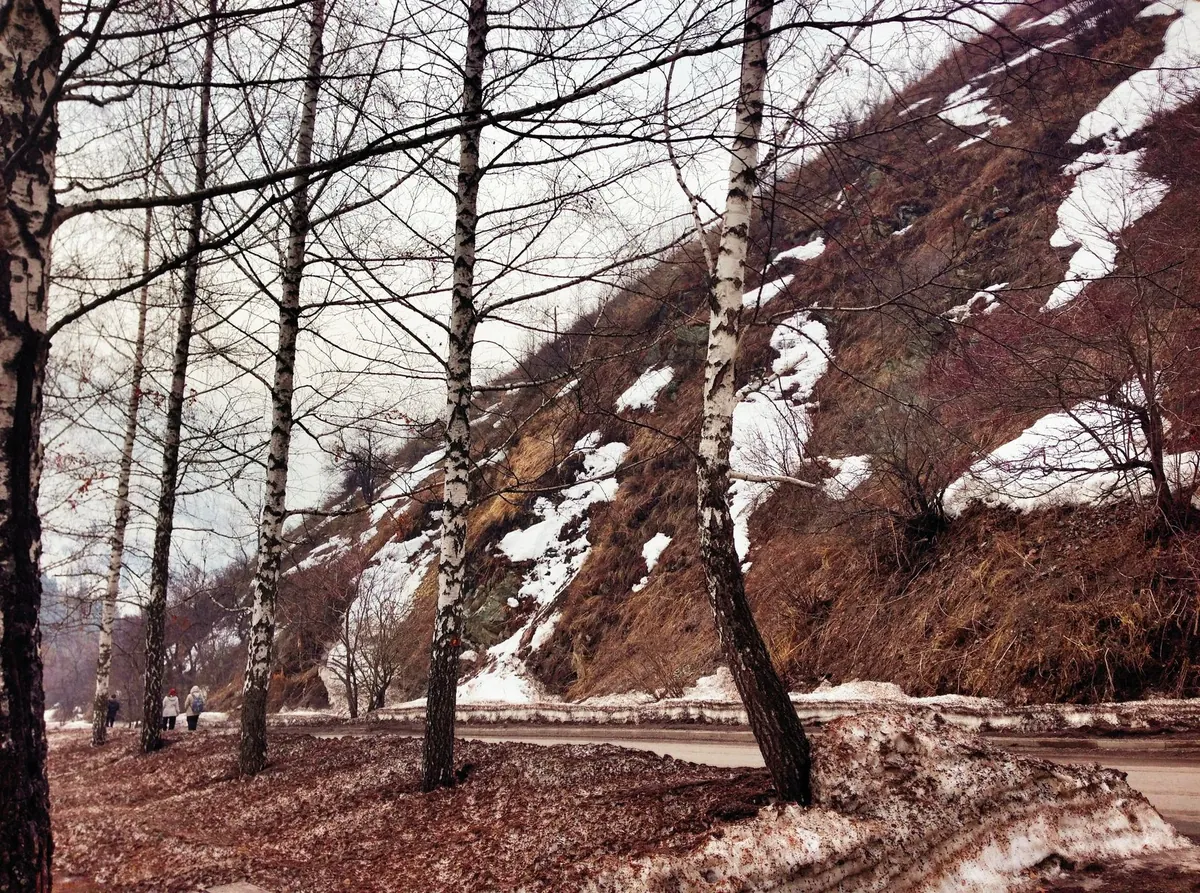
- Most salt-sensitive: birches, which matters on roads that get gritted hard.
Getting birch right, if birch is what you want
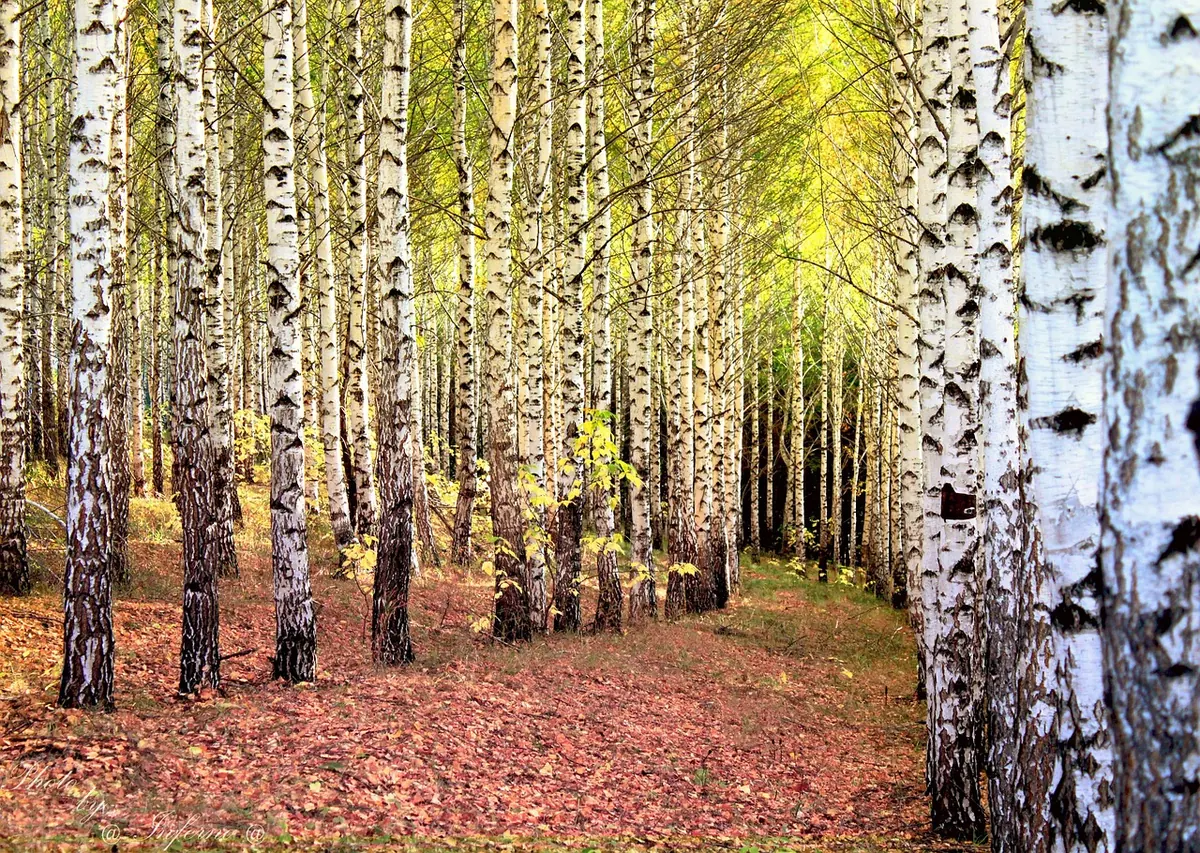
Birches are the trees most people picture on a roadside, and they're worth planting — with two adjustments. First, choose downy birch on damp ground and silver birch on dry, and don't mix them up because the label at the nursery was vague. Second, remember that birch roots run shallow and wide. A tree planted in a narrow, compacted pit will establish slowly and then struggle in every dry summer.
Where the ground is tight, plant birch slightly high on a mound of the soil you dug out, and break up the compaction over a wide area — a metre or more across, not just the planting hole. Birch also dislikes being buried deep, so keep the root flare visible and clear of mulch.
Planting into wet, compacted ground
- Plant bare-root trees between late autumn and early spring, while they're dormant. Container-grown trees can go in at almost any time, but autumn gives roots the longest run before summer.
- Dig a wide, shallow hole — two to three times the width of the root ball, no deeper than the roots need.
- Break up the sides and base of the hole with a fork. Smearing the walls with a spade creates a pot in the ground that water and roots can't leave.
- Don't put a layer of gravel in the bottom. In clay it simply fills with water and makes the planting pocket wetter.
- Set the tree so the root flare sits level with, or a little above, the surrounding soil. On wet sites, planting 5–10 cm high and mounding soil around the root ball works well.
- Backfill with the soil you removed, firm it in gently in stages, and water thoroughly to settle it.
- Mulch with 5–8 cm of bark or leaf mould, keeping it a few centimetres clear of the trunk.
The first three years
Watering is the difference between a tree that establishes and one that merely survives. In the first two summers, give a new tree a good soak — roughly a bucket or two — once a week during dry spells, rather than a daily sprinkle. A mulch ring keeps that moisture in and keeps strimmers away from the trunk, which does more damage than most people realise.
Stake only if the tree is unstable or in an exposed, windy spot, using a flexible tie and a stake that still allows some movement; remove it after two years. Keep grass and weeds cleared from a metre around the base. Go easy on fertiliser, too — on wet, compacted ground the limiting factor is usually air and water movement, not nutrients.
What to plant first
If you're standing on a wet verge with a spade and no strong opinion, plant alder. If it's compacted clay that drains, plant hornbeam or field maple. If you want birch — and plenty of people do — choose downy birch on the damp sites, silver birch on the drier ones, and give either a wide, well-broken planting area rather than a tidy little hole. Match the tree to the ground you actually have, and the first three years will do the rest.
Photo: jean-lucdelrieu / Pixabay